

The Silent Liturgy of Salt and Acid: A Masterclass in the Art of Edomae Sushi

By Dirk Ebener - August 4, 2026

I’ve just landed in Tokyo for a quick three-day business trip, stepping into a city that never seems to slow down. My briefcase feels heavy and my schedule is full, but I’m even more eager to explore. Looking out at the neon lights, I know there’s never enough time to enjoy all the city’s famous sushi. With so many places to choose from, where do you even start?
I ask a business friend who’s lived in Tokyo for over ten years and truly loves sushi. His advice is simple: don’t worry about the maps, look for the shokunin. He says the real spirit of Tokyo isn’t in the streets, but in the rice. Taking his advice, I soon find myself at an unmarked wooden door, ready to forget about time and experience the ritual.
Steam scented with vinegar rises from a cypress hangiri, wrapping me in a warm, inviting feeling. In this quiet corner of Tokyo, the air feels full of history, making me want to pay close attention. Sitting on a tall wooden stool, I watch sunlight glint off a piece of tuna, my hands shaking with excitement.
This is more than just food; it’s a chance to connect with a tradition that’s older than the city. I’m here to let go of what I thought I knew about fish and rice, and to follow the careful rhythm of the shokunin.
*****
The Sacred Foundation of Shari
The counter in front of me is made of pale, smooth wood that shines softly. The chef, focused and calm, places a single piece of nigiri on the ceramic counter with careful movements. I see the warm rice from his hand settle under the cool, smooth fish. For a moment, all that matters is the space between my hand and that brief, perfect bite. I feel humbled, knowing I’m a guest in a place where every ritual is shaped by salt and acid.
In most places, food is just something to eat or enjoy quickly, but here, every grain of rice shows years of dedication. At this meeting point of history and appetite, I see sushi as the simplest form of Japanese cooking—removing everything extra until only the most important parts are left. I realize that excellence isn’t a final goal, but something you work on every day.
To truly respect this tradition, you have to understand that the heart of sushi is in the rice, called shari. Making it is a careful process: the grains are washed until the water is clear, then mixed with vinegar, salt, and sometimes sugar while still hot. The goal is rice where each grain is separate but still sticks together, seasoned just right so nothing else is needed.
That’s why adding extra wasabi or soaking it in soy sauce isn’t allowed. The chef already puts the right amount of wasabi between the fish and rice to bring out the seafood’s flavor.
Dipping the rice in soy sauce ruins all the chef’s hard work, making it soggy and too salty. If you want soy sauce, just touch the tip of the fish to it, or trust the chef’s brush of nikiri, a sweet glaze made with dashi.
*****
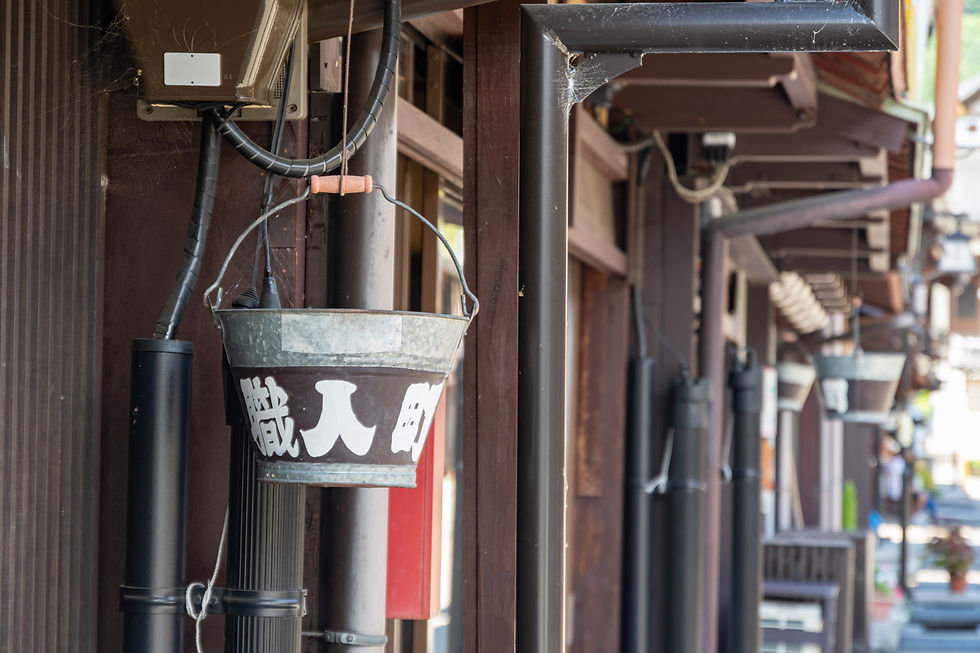
The Genesis of the Shokunin
This craft’s roots stretch back long before Ginza’s neon glow, born from the necessity of preservation. In the Nara period, sushi was not a delicacy but a method of survival—narezushi, where fish was buried in salted rice and left to ferment for months.
The rice, once discarded, served only as a vessel for lactic acid, protecting the fish through humid summers. Over centuries, fermentation times shortened, and rice and fish were finally enjoyed together, giving rise to Edomae sushi in the early 1800s.
Sushi became the world’s first fast food, sold from street stalls to Edo’s bustling workers. The Edomae style referred to fish from Edo Bay, preserved with vinegar, salt, and soy to keep it safe as it traveled from dockside to the city’s most exclusive cellars.
To grasp the modern sushi experience, one must embrace the philosophy of the shokunin. A shokunin is not just a craftsman, but a steward of excellence, bound by duty to serve the greater good. This devotion means repeating the same motions, day after day, year after year, chasing a perfection that always remains just out of reach.
For apprentices, the journey begins not with a blade, but with a towel—wringing hot cloths for guests and scrubbing floors for a year or more. Only then do they graduate to rice, learning to wash it with just enough pressure to keep every grain intact. Years pass before they are entrusted with fish. By the time a chef stands at the counter, their hands move with a grace that is pure instinct, honed by relentless repetition.
*****
Rituals of the Counter
The etiquette at the counter is a wordless ballet of respect. Using your fingers is not only allowed but encouraged, letting you sense the warmth and delicate texture of the rice without the chill of chopsticks.
Each piece should be eaten in a single bite, so flavors can unfold together on your tongue. Resist the urge to cleanse your palate with ginger mid-bite; gari is meant as a reset between different fish, never as a garnish. By honoring these customs, you transform from a casual diner into a participant in an ancient ritual.
The counter’s unspoken rules are not about exclusivity, but about safeguarding the flavors the chef has spent a lifetime perfecting. Rubbing your chopsticks together implies you think the wood is cheap, a quiet but pointed insult.
Placing pickled ginger atop the fish drowns the subtle, costly seafood in a wave of vinegar and spice. Ginger’s sole purpose is to cleanse your palate after a fatty bite—like otoro—before you move to something lighter or sweeter. By respecting these boundaries, you let each ingredient’s nuance shine.
*****
The Pantheon of Masters
At the heart of this universe stands Jiro Ono, the legendary sushi master behind Sukiyabashi Jiro. His name is synonymous with shokunin, his story captured on film, his restaurant once crowned with three Michelin stars in a humble subway basement. Jiro’s creed is one of discipline and devotion—he fell in love with his craft and dedicated his life to it.
His rice is served at body temperature, his fish massaged for hours to achieve perfect tenderness, and his service is famously swift, often just twenty minutes. This speed is not brusqueness, but reverence: sushi is at its zenith the instant it leaves the chef’s hand. Every moment on the plate, the rice cools and the fish’s texture shifts.
Beyond Jiro’s legend, Japan’s top five sushi sanctuaries each reveal a different facet of this culinary art. Sukiyabashi Jiro remains the benchmark for technical mastery and tradition. Sushi Saito, Tokyo’s most elusive reservation, is where Chef Takashi Saito crafts nigiri so harmonious they are called musical.
At Sushi Yoshitake in Ginza, the chef uses red vinegar (akazu) for a richer, more savory rice that pairs exquisitely with aged fish. Sushi Sawada is an intimate haven, run solely by the chef and his wife, their focus and control unmatched.
Sushi Sugita is celebrated for its soulful warmth; Chef Sugita’s hospitality transforms even the most daunting omakase into a heartfelt welcome.
*****
The Art of the Liquid Companion
To round out the sensory journey, the right drink must bridge each bite. Pairing alcohol with sushi is an art of balance, not dominance. The classic choice is nihonshu, or sake. Seek out a Junmai or Junmai Ginjo that is karakuchi—dry and clean.
Its crisp finish acts as a palate cleanser, slicing through the fish’s oils without clashing with the vinegared rice. In Tokyo’s finest sushi bars, chefs serve sake at varying temperatures: chilled for delicate white fish like tai, gently warmed for richer, fattier cuts like anago.
Beyond sake, Japanese beer is a worthy companion. A cold, crisp lager refreshes the palate, especially after indulgent, umami-rich bites like uni. In Ginza, a new trend pairs sushi with champagne—the sharp acidity and fine bubbles of a blanc de blancs echo the shari’s tang and draw out the mineral sweetness of shellfish.
Whether you opt for sake’s clarity or the sparkle of dry wine, your drink should elevate the fish, never overshadow it.
*****
Steel and Soul: The Blades of the Shokunin
If rice is the soul and fish the heart, then the knife is the spirit animating the sushi chef. Watching a master at work is witnessing a silent conversation between steel and flesh, a bond forged in fire and tempered by water. The traditional hocho is an extension of the chef’s hand, cared for with near-religious devotion.
Unlike Western double-beveled blades, sushi knives are kataba—single-beveled—ground on one side for surgical precision. This creates a surface so smooth it enhances taste. Such sharpness parts the fish cleanly, preserving oils and textures that would be lost to a dull blade.
The chef’s primary weapon is the Yanagiba, the willow leaf blade—long and slender, crafted for slicing raw fish in a single, fluid motion. A true master never saws at tuna; instead, they draw the blade’s heel toward themselves, letting the steel’s weight and razor edge do the work.
This stroke leaves the nigiri with a glassy, luminous finish—a hallmark of expertise. Beside the Yanagiba is the Deba, a stout, thick-spined knife for butchery, built to cleave through bone and cartilage with surprising grace. For vegetables, the Usuba—a rectangular blade—can shave a radish into a sheet finer than silk.
Forged from high-carbon steel, these knives hold a fearsome edge but are vulnerable to rust and stains. After every cut, the chef wipes the blade—a rhythmic ritual that keeps the steel immaculate. Each night, hours are spent at the whetstone, sharpening in a meditative trance that readies the blade for tomorrow’s work. In Japan, it is said a knife absorbs its owner’s spirit.
To hold a chef’s blade is to grasp their history, sweat, and relentless quest for the perfect slice. Without these tools, fish remains mere flesh; through steel, it becomes art.
*****
The Seasonal Breath of Shun
Shun is the heartbeat of Japanese cuisine—the fleeting moment when an ingredient reaches its peak of flavor and abundance. In sushi, the menu is alive, shifting with the calendar and tides. To disregard the seasons is to miss the very soul of the sea.
As spring unfurls, the counter welcomes sayori (halfbeak) and katsuo (bonito). Hatsu-gatsuo, the season’s first bonito, is lean and electric, signaling the approach of summer. Sakuradai (sea bream) arrives, its flesh tinged pink as cherry blossoms drift onto the water.
Summer’s heat brings shinko (young gizzard shad) and the lush, creamy uni (sea urchin) from Hokkaido’s cold depths. Anago (sea eel) defines the season, served warm and lacquered with its own sweet, rich reduction.
As autumn’s chill arrives, fish fatten for winter, and sushi grows richer. This is the season for kohada (gizzard shad), its silver skin a canvas for the chef’s pickling mastery. Modori-gatsuo, bonito returning from the north, arrives oily and dark.
Winter marks the sushi year’s zenith: otoro (the fattiest tuna) and buri (wild yellowtail), their fat thickened by icy waters, melting luxuriously on warm shari. Eating kan-buri is tasting pure, buttery decadence. To follow shun is to savor not just fish, but the water’s temperature and the passage of time itself.
*****
The Final Grain
The meal concludes not with spectacle, but with a silent bow and the gentle clearing of the board. Stepping into Tokyo’s neon storm, the memory of sea salt and toasted vinegar lingers—a spectral echo of the precision I’ve just experienced.
I leave with a new understanding of perfection, learned in quiet, deliberate bites. Outside, the world is wild and noisy, but for one hour inside that small room, everything was in perfect harmony.
Practical Tip: When eating nigiri, turn the piece upside down or sideways so the fish hits your tongue first; this allows the immediate flavor of the seafood to lead, followed by the warmth and acidity of the rice.

Dirk Ebener is the founder and creator behind the Food Blogger Journey website, and author of “Travel That Makes Sense”, drawing on over 40 years of international travel across more than 60 countries. His global adventures have deepened his understanding of regional cuisines, local customs, and the powerful connection between food and culture. From bustling street markets in Asia to quiet vineyard dinners in Europe, Dirk captures authentic culinary experiences through immersive storytelling. Through Food Blogger Journey, he invites readers to explore the world one dish and step at a time.
© 2025-2026 Food Blogger Journey. All rights reserved. The experiences, opinions, and photos this blog shares are based on personal travel and culinary exploration. Reproduction or distribution of content without written permission is prohibited.
Follow the journey on Instagram @FoodBloggerJourneys
Interesting Hashtags
#Tokyo #FoodBlogger #Sushi Yoshitake #Japan #Sushi #TravelBlog #FoodBloggerJourneys #EdomaeSushi #Shokunin #EdoBay #TravelThatMakesSense


Comments