

Comparative Analysis of German Riesling, Italian Pinot Grigio, and California Sauvignon Blanc

By Dirk Ebener - May 15, 2026

Exploring Flavor, Culture, Food Pairings, Cheese, and Chocolate
White wine often ties together my travel memories. Whether I’m sipping a glass on a sunny terrace in northern Italy, enjoying a crisp Riesling by a German river, or sharing California Sauvignon Blanc on a warm summer night, I’m brought back to those moments: the laughter, the meals, and the faces at the table. Enjoy reading "Comparative Analysis of German Riesling, Italian Pinot Grigio, and California Sauvignon Blanc."
Over time, I’ve realized white wines are more than just something to drink with food. They reflect the geography, climate, culture, and traditions of their origins. Each bottle shows the spirit of its homeland and the vision of its makers.
Some travelers seek out famous sights or collect souvenirs, but I collect flavors. A mineral-rich Riesling reminds me of cool evenings in the Mosel. Pinot Grigio takes me back to sunny cafés in northern Italy, where conversations stretch into the afternoon. California Sauvignon Blanc brings memories of sea air, fresh seafood, and the relaxed spirit of West Coast wine country.
Among all the white wines available today, three stand out for both beginners and experienced wine lovers: German Riesling, Italian Pinot Grigio, and California Sauvignon Blanc. Each is popular around the world and easy to find, but every glass offers its own flavors, textures, acidity, and pairing options. Learning about these differences helps people appreciate wine more and make better choices when dining.
In this article, I’ll look at the history, regional traits, tasting notes, winemaking methods, and food pairings of these well-loved white wines. Even though they share a color, each one represents a different approach and cultural story.
*****

German Riesling: Precision, Acidity, and Elegance
Few white wines have the reputation and respect that German Riesling has earned over centuries. Riesling is often considered Germany’s signature grape variety and one of the world’s greatest white wine grapes.
What makes Riesling remarkable is its ability to express terroir with extraordinary precision. Climate, soil composition, elevation, and sunlight exposure all significantly influence the final character of the wine.
Germany’s cool climate is perfect for growing Riesling grapes. The long growing season helps the grapes develop complex flavors while keeping their natural high acidity. This balance of sweetness and acidity gives Riesling its well-known freshness and aging potential.
Riesling is cultivated throughout all 13 German wine regions, but several areas have become especially influential. The Mosel region is perhaps the most internationally recognized. Wines from the Mosel are typically light-bodied, highly aromatic, and intensely mineral-driven. Slate soils dominate the steep vineyard slopes, contributing to the wine’s distinctive character. A Mosel Riesling often delivers flavors of green apple, peach, lime, and wet stone, supported by vibrant acidity.
The Rheingau region produces a different expression of Riesling. Here, the wines are usually fuller-bodied with richer fruit concentration. Rheingau Rieslings often show notes of apricot, ripe peach, and citrus while maintaining excellent structure. The Pfalz region, with its slightly warmer climate, creates Rieslings with broader textures and more tropical fruit characteristics.
A unique feature of German Riesling is its range of sweetness. Riesling can be very dry, slightly sweet, quite sweet, or even made into special dessert wines like Eiswein. Terms like Kabinett, Spätlese, and Auslese show how ripe the grapes were at harvest and often suggest how sweet the wine will be, though many modern winemakers now focus on dry styles too.
The versatility of Riesling at the table is extraordinary. Dry Rieslings pair exceptionally well with seafood, grilled fish, poultry, pork, and vegetable dishes. Off-dry versions complement spicy cuisines particularly well, making Riesling one of the best wine companions for Thai, Korean, Chinese, and Indian dishes. The wine’s acidity refreshes the palate while the subtle sweetness softens heat and spice.
Riesling is also known for its ability to age well. Top Rieslings can develop for decades, with fresh fruit flavors turning into complex notes of honey, petrol, dried apricot, and spice. Few other white wines age with this much character.
Many wine lovers see German Riesling as balanced and refined. It’s not bold or overpowering. Instead, it rewards those who take their time, revealing new flavors as the meal goes on.
*****

Italian Pinot Grigio: Simplicity, Freshness, and Everyday Elegance
While Riesling is known for its detail and complexity, Italian Pinot Grigio stands out for its easygoing and refreshing style. Its friendly, food-friendly nature has made it one of the world’s favorite white wines, perfect for any occasion.
Originally linked to Burgundy as Pinot Gris, the grape found a particularly successful home in northeastern Italy. Regions such as Friuli Venezia Giulia, Veneto, and Trentino-Alto Adige have become major centers of Pinot Grigio production. Italy now accounts for more than half of the world’s Pinot Grigio production, making it one of the country’s most commercially important white wines.
Italian Pinot GriItalian Pinot Grigio is usually made in a light, crisp, and clean style. Winemakers often use stainless-steel tanks to keep the wine fresh and to highlight its bright fruit flavors. Unlike white wines aged in oak, which can taste creamy or buttery, Pinot Grigio emphasizes pure, simple flavors. It usually includes citrus, green apple, pear, melon, and subtle floral notes.
Acidity is moderate to high, creating a refreshing mouthfeel that works exceptionally well in warm weather. Pinot Grigio is not generally intended to be a deeply contemplative wine. Instead, it succeeds because of its versatility and easy-drinking nature.
Regional differences still play an important role. Pinot Grigio from Alto Adige often displays more minerality and structure due to the Alpine climate and cooler temperatures. Wines from Friuli may exhibit slightly richer textures and more complexity, while Veneto tends to produce lighter, highly approachable styles aimed at everyday enjoyment.
One reason for Pinot Grigio’s global popularity is its compatibility with modern dining habits. It pairs naturally with salads, seafood, grilled vegetables, light pasta dishes, sushi, and Mediterranean cuisine. Its moderate alcohol content and refreshing acidity also make it ideal for outdoor dining and social gatherings.
When I traveled in Italy, I noticed how naturally Pinot Grigio fit into everyday life. There was no fuss, just glasses poured at casual lunches, enjoyed during sunny chats in piazzas, and served at dinners that lasted late into the night. In many ways, Pinot Grigio is Italy’s tribute to enjoying simple pleasures at their best.
Unlike Riesling, Pinot Grigio is generally consumed young. Most bottles are intended to be enjoyed within a few years of release while their freshness and fruit vibrancy remain at their peak. Although some premium producers create more structured and age-worthy versions, the majority focus on immediacy and drinkability.
For anyone new to white wine, Pinot Grigio is a friendly choice. It’s never boring, always refreshing, and easy to drink.
*****
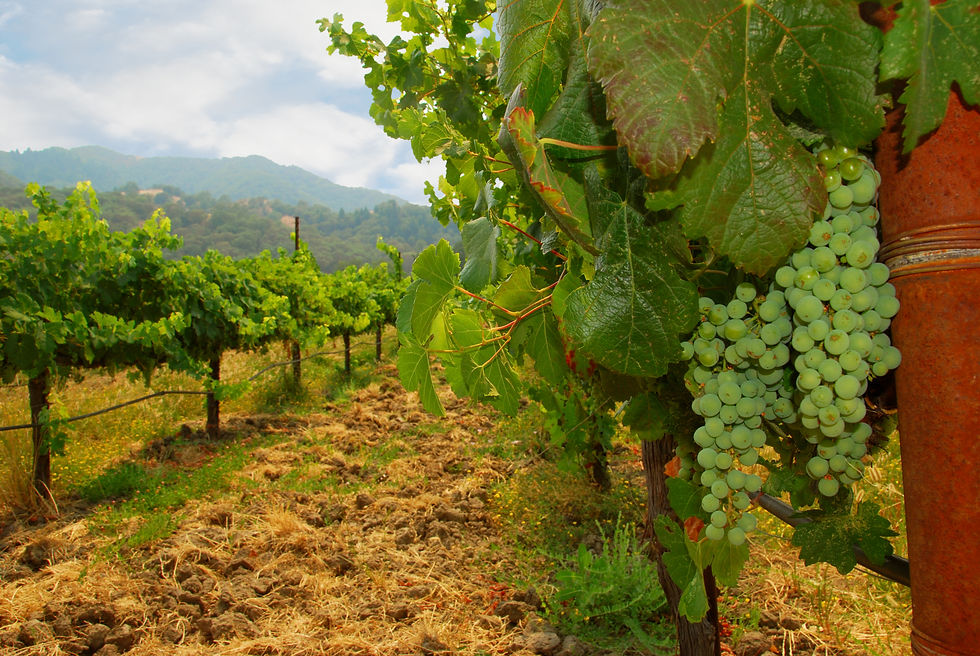
California Sauvignon Blanc: Sunshine, Fruit, and Modern Expression
California Sauvignon Blanc is unique among white wines. It combines traditional grape origins with the bold style of New World winemaking, creating a wine that is lively, expressive, and very adaptable.
Originally from France, Sauvignon Blanc became enormously successful in California due to the state’s abundant sunshine and diverse wine-growing regions. Areas such as Napa Valley, Sonoma County, Paso Robles, and the Central Coast all contribute distinct expressions of the grape.
California’s warmer climate generally produces Sauvignon Blanc with ripe fruit flavors and a fuller body than many European examples. Common tasting notes include grapefruit, passion fruit, melon, lime, peach, and tropical fruits. Depending on the region and winemaking style, herbal characteristics such as fresh grass, basil, or jalapeño may also appear.
Napa Valley Sauvignon Blanc often leans toward richer textures and more concentrated fruit due to warmer daytime temperatures. Some producers experiment with oak aging or blending techniques to create rounder, more layered wines. Sonoma County and cooler coastal regions frequently produce brighter, more acidic styles with stronger citrus and herbal components.
One particularly influential variation is “Fumé Blanc,” a term popularized by Robert Mondavi in the 1960s. Seeking to elevate the perception of Sauvignon Blanc in the American market, Mondavi used the name Fumé Blanc for barrel-aged Sauvignon Blanc wines inspired by the Loire Valley in France. Today, the term often indicates a richer, sometimes oak-influenced style.
California Sauvignon Blanc thrives in casual dining environments and modern cuisine. It pairs beautifully with shellfish, oysters, grilled fish, goat cheese, salads, herb-driven dishes, and lighter poultry meals. The wine’s bright acidity and fruit intensity make it especially appealing during warm seasons.
California Sauvignon Blanc stands out for its strong aroma upon opening. The lively scents make it appealing, even for those new to wine.
California Sauvignon Blanc has a lively, confident style that reflects the region’s wine culture: innovative, experimental, and welcoming to anyone interested.
*****

Pairing German Riesling with Cheese and Chocolate
German Riesling is one of the most interesting wines to pair with food because of its high acidity, balanced sweetness, and versatility. When matched well, Riesling can make both cheese and chocolate taste even better, often surprising wine drinkers. The important thing is to know which style of Riesling you have, since a dry Riesling pairs differently from a sweeter or late-harvest one.
Dry Rieslings pair beautifully with creamy cheeses such as Brie, Camembert, Gruyère, and mild goat cheese. The wine’s acidity cuts through richness while refreshing the palate between bites. In Germany, Riesling is often enjoyed with Alpine cheeses and washed-rind cheeses that balance savory and nutty flavors with the wine’s fruit-forward profile.
Sweeter Rieslings make exceptional companions to blue cheeses such as Roquefort or Gorgonzola, as their sweetness softens the saltiness while enhancing the cheese's creamy texture. Chocolate pairings require even more precision. While dry Rieslings can struggle with heavy, dark chocolate, sweeter Rieslings pair wonderfully with white chocolate, fruit-based desserts, lemon tarts, and lighter milk chocolate creations.
Riesling’s flavors of peach, apricot, honey, and citrus can add depth to desserts without overwhelming them. One pairing I remember well was a late-harvest Riesling with apricot tart and white chocolate mousse.
The wine’s acidity kept the dessert from being too sweet and added complexity to the meal. Riesling shows that good pairings are more about balance than strong flavors.
*****
Pairing Italian Pinot Grigio with Cheese and Chocolate
People often enjoy Italian Pinot Grigio for its simple, fresh taste and crisp acidity, which makes it easy to pair with lighter cheeses and delicate desserts. Unlike heavier white wines, Pinot Grigio lets the food shine. Its citrus, pear, apple, and floral flavors go well with soft and semi-soft cheeses that don’t overpower the wine.
Fresh mozzarella, ricotta, burrata, young Pecorino, and mild goat cheese all complement Pinot Grigio beautifully. The wine’s clean finish and refreshing acidity balance creamy textures while preserving the natural flavors of the cheese. During travels through northern Italy, I noticed how naturally Pinot Grigio paired with simple cheese plates featuring olives, cured meats, fresh bread, and olive oil. The pairings were never complicated, yet they felt complete and deeply connected to local food culture.
Chocolate pairings with Pinot Grigio require restraint because the wine’s lighter body can easily be overshadowed by intense cocoa flavors. Dark chocolate generally overpowers Pinot Grigio, but lighter desserts can create successful combinations. White chocolate, almond biscotti dipped in chocolate, lemon pastries, and fruit-based desserts pair especially well.
The acidity in Pinot Grigio refreshes your palate and keeps any sweetness in balance. It also pairs well with chocolate-covered strawberries, since its citrus and fruit flavors match both the fruit and the chocolate. Pinot Grigio pairings work best when they focus on harmony and freshness. This wine is meant for relaxed meals, good conversation, and simple food, not heavy or rich dishes.
*****
Pairing California Sauvignon Blanc with Cheese and Chocolate
California Sauvignon Blanc adds a bright and aromatic touch to cheese and dessert pairings. Its strong citrus flavors, tropical fruit notes, herbal hints, and crisp acidity make for lively and refreshing matches.
Cheese pairings work particularly well when they highlight freshness and tanginess. Goat cheese is perhaps the classic Sauvignon Blanc companion because the wine’s acidity and herbal qualities naturally complement the creamy and slightly tart characteristics of the cheese. Fresh chèvre, herbed goat cheese spreads, feta, Monterey Jack, and younger cheddar cheeses also pair exceptionally well.
The fruity style of California Sauvignon Blanc also pairs well with cheeses with mild herbal or grassy flavors. In coastal California, these pairings are common with seafood, salads, and outdoor meals where freshness is key.
Chocolate pairings can be more challenging due to Sauvignon Blanc’s acidity and citrus-driven profile, but lighter desserts often create excellent results. Lemon-infused white chocolate, key lime tart, chocolate-covered tropical fruits, and citrus desserts pair better with lighter dark chocolate than with darker dark chocolate.
Sauvignon Blanc’s grapefruit, passion fruit, and melon characteristics make it a good complement to desserts featuring berries, citrus creams, or lighter mousse textures. One particularly enjoyable pairing I encountered involved Sauvignon Blanc served with white chocolate cheesecake topped with fresh raspberries and lime zest.
The wine brought out the fruit flavors and refreshed the palate after each bite. California Sauvignon Blanc works best with desserts that are bright and fresh, not overly sweet. Like the wine, the best pairings feel lively and easygoing, not heavy or formal.
*****
The Key Differences in These Pairings
The differences in how German Riesling, Italian Pinot Grigio, and California Sauvignon Blanc pair with cheese and chocolate are clear when you try them together. German Riesling’s balance of acidity and sweetness lets it pair better with stronger cheeses and sweeter desserts than the others. Italian Pinot Grigio is best with lighter, fresher foods, since its delicate style can be overpowered by strong cheeses or dark chocolate.
California Sauvignon Blanc falls in the middle, with enough acidity and fruit to match tangy cheeses while staying fresh and lively. Riesling often pairs by contrast, especially with salty blue cheeses or spicy foods, where its sweetness softens strong flavors and acidity refreshes the palate. Pinot Grigio works best through harmony and subtlety, making it great for simple cheese boards, mild cheeses, and light fruit desserts instead of bold dishes.
Sauvignon Blanc tends to highlight freshness and herbal characteristics. Sauvignon Blanc is known for its fresh and herbal qualities, which is why it pairs so well with goat cheese, citrus desserts, and dishes with herbs or fresh vegetables. In the end, Riesling offers the most complexity and ages best, Pinot Grigio is the easiest and most approachable, and California Sauvignon Blanc is the brightest and most expressive for modern pairings and memory.
German Riesling, Italian Pinot Grigio, and California Sauvignon Blanc each tell a different story of tradition, climate, and philosophy, yet all three enchant wine lovers across the globe.
German Riesling stands as a symbol of elegance, precision, and terroir-driven winemaking. Italian Pinot Grigio offers simplicity, freshness, and effortless enjoyment. California Sauvignon Blanc delivers vibrant fruit, modern energy, and expressive character.
These wines are popular not just for their flavors, but also because they pair well with any meal, mood, or occasion. Someone traveling in Europe’s river valleys might choose Riesling, while a sunny Italian lunch calls for Pinot Grigio. On California’s coast, dinner often feels incomplete without Sauvignon Blanc.
Wine’s real beauty is how it connects us to places and stories. Each bottle reflects the land, weather, culture, and skill that went into it. Whether you enjoy the mineral taste of German Riesling, the crispness of Italian Pinot Grigio, or the lively fruit of California Sauvignon Blanc, every glass is a chance to pause and enjoy the moment.

Dirk Ebener is the founder and creator behind the Food Blogger Journey website, and author of “Travel That Makes Sense”, drawing on over 40 years of international travel across more than 60 countries. His global adventures have deepened his understanding of regional cuisines, local customs, and the powerful connection between food and culture. From bustling street markets in Asia to quiet vineyard dinners in Europe, Dirk captures authentic culinary experiences through immersive storytelling. Through Food Blogger Journey, he invites readers to explore the world one dish and step at a time.
© 2025-2026 Food Blogger Journey. All rights reserved. The experiences, opinions, and photos this blog shares are based on personal travel and culinary exploration. Reproduction or distribution of content without written permission is prohibited.
Follow the journey on Instagram @FoodBloggerJourneys.
Interesting Hashtags
#GermanWine #Germany #Weinstrasse #Italy #California #Pinot Grigio #Riesling #SauvignonBlanc #winepairing


This was a very educational article. The author is definitely sharing the depth of wine and pairings of these amazing wine regions. I will make sure that I try these pairings. Especially the chocolate. I love softer, more aromatic cheeses and usually pair them with red wines. I need to try white wine the next time. Thanks again for sharing.